• About
    • History
    • Notable Sales
    • Why Beare’s?
    • Managing Director
    • The Team
    • Global Advisory Board
    • J & A Beare Europe GmbH
    • Sponsorships & Partnerships
  • Buying & Selling
    • Buying from Beare’s
    • Selling through Beare’s
    • New Makers
  • Expertise
    • Valuations & Appraisals
    • Certificate of Authenticity
    • Repairs & Restorations
    • Scientific Research & Conservation
  • Beare’s Society
    • The Society
    • So-Ock Kim – Artistic Coordinator
    • Taro Sumitani – Senior Advisor, Japan
  • Projects
    • J & A Beare Cultural Trust
    • The Beare’s Stradivari Price Index
    • Album release: “12 Stradivari”
    • Book release: “Antonio Stradivari, The Complete Works”
    • Documentary film: “Falling for Stradivari”
  • News
  • Contact
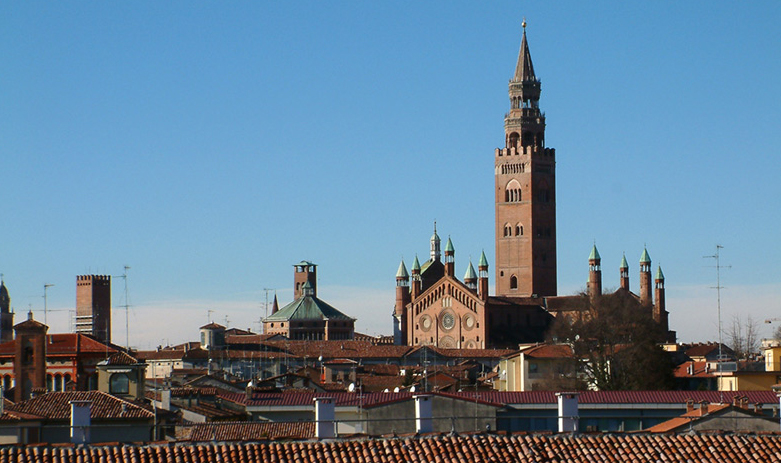
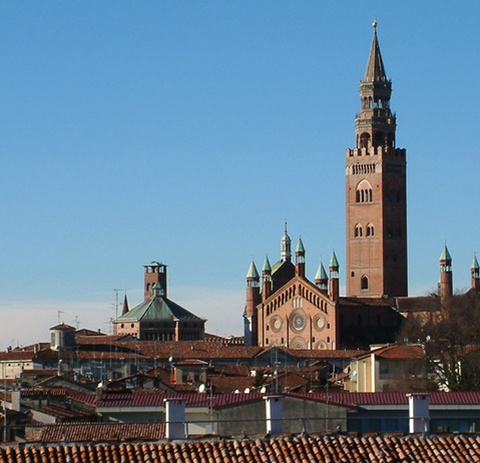
Cremona skylineCremona skyline

Spotlight on Cremona's reinvention

How a city rediscovered its legacy

Stradivari, who?

It is a truth universally acknowledged that Cremona is the capital of violinmaking. This is the city where the violin was born, and home to the most famous makers of all: the Amatis, the Guarneris and, of course, the one and only Antonio Stradivari.

But about a century ago, hardly anyone in Cremona remembered Stradivari, and there wasn’t a single violinmaker left in town. How the city found its way back to the violin is a surprising story. It involves an art historian who didn’t like tourists, an Italian maker working in New York, and a violin with a name before it even arrived.

An art historian who preferred violins to cheese

Our story starts in Cremona just after the Second World War. Like everywhere else, the city was picking itself up after years of destruction, and asking itself a big question: now what?

Before the war, Cremona was known for its large dairy cooperatives and cheese made on an industrial scale. The obvious move would have been to build on that. And the city probably would have, if the director of the local tourism board had not been an art historian.

His name was Alfredo Puerari. In 1947 he was also made director of the Museo Civico, and holding both jobs at once gave him a rare chance to shape the city’s cultural life. He was a Latin scholar and a teacher, he had no love for mass tourism, and he was keen to show the world that Cremona had more to offer than Grana Padano.

Even so, violinmaking was not an obvious choice, even for him. There had been no working violinmakers in Cremona since the middle of the 19th century, and most locals barely knew the names Amati, Guarneri or Stradivari. Those names lived on only in small international circles of musicians, collectors, scholars and dealers.

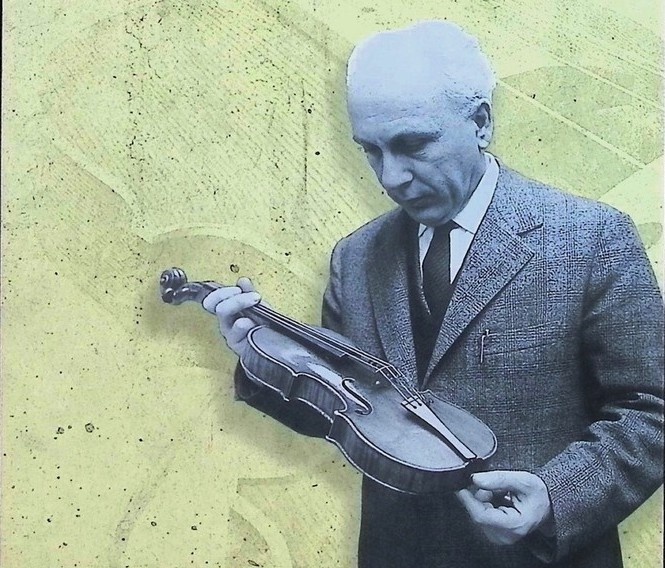
Alfredo Puerari

It was these people who had tried, in the first half of the 20th century, to bring the memory back. First came a donation by Cerani of workshop tools and instruments, the first seeds of a future museum. Then the Bolognese violinmaker Giuseppe Fiorini gave the city the tools and patterns from Stradivari’s own workshop, which had come down from the great collector Count Cozio di Salabue. In return, Cremona promised to open a violinmaking school and put the collection on public display.

Sadly, Fiorini didn’t live to see it happen. The school finally opened in 1938, helped along by the huge celebrations the Fascist government staged for the Stradivari bicentenary in 1937. But it didn’t last long. The war brought all music to a stop.

Puerari knew all of this. He understood that owning Stradivari’s tools was like owning the relics of a saint: worth building a cathedral around. What he needed was a way to bring those relics to life and make them matter for the city’s future. That came through a meeting with another Italian, Simone Fernando Sacconi.

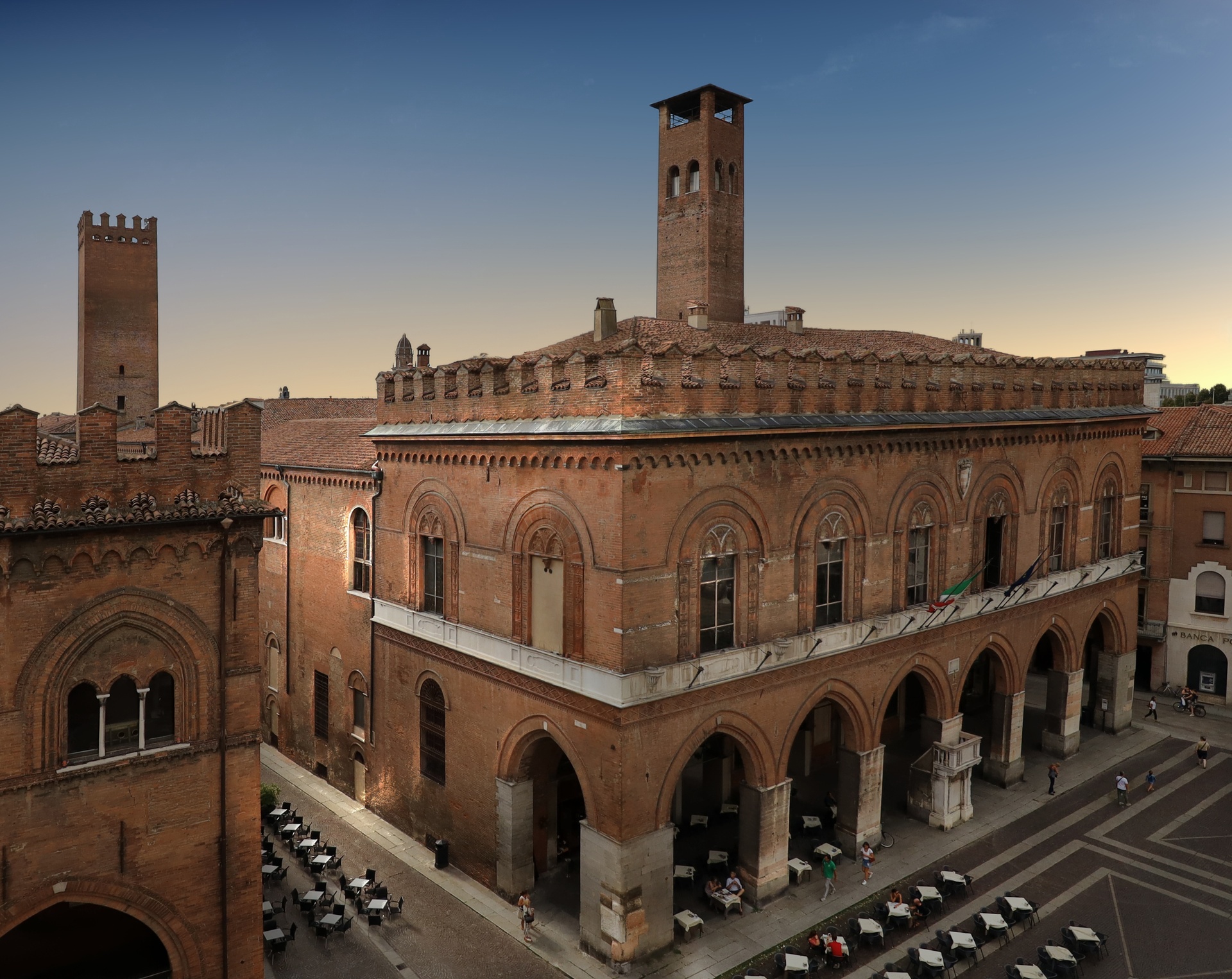
Palazzo comunale in Cremona

A lira for an Amati

Sacconi, a pupil of Fiorini, is seen by many as one of the greatest makers of his generation.Despite living in New York and working for Rembert Wurlitzer, Sacconi’s desire to immerse himself in Stradivari’s workmanship saw him travel to Cremona again and again. Gradually, the methods of Cremona’s makers not only reemerged, but were codified in his book The Secrets of Stradivari. For the first time in centuries, it was possible to teach the Cremonese method.

Puerari was not a violin expert, but Sacconi drew him in completely. In 1959 he wrote to Sacconi that he wasn’t interested in “the often stupid curiosity of the tourist.” What he wanted was for people in Cremona to be able “to hear the voice of a Stradivari violin.”

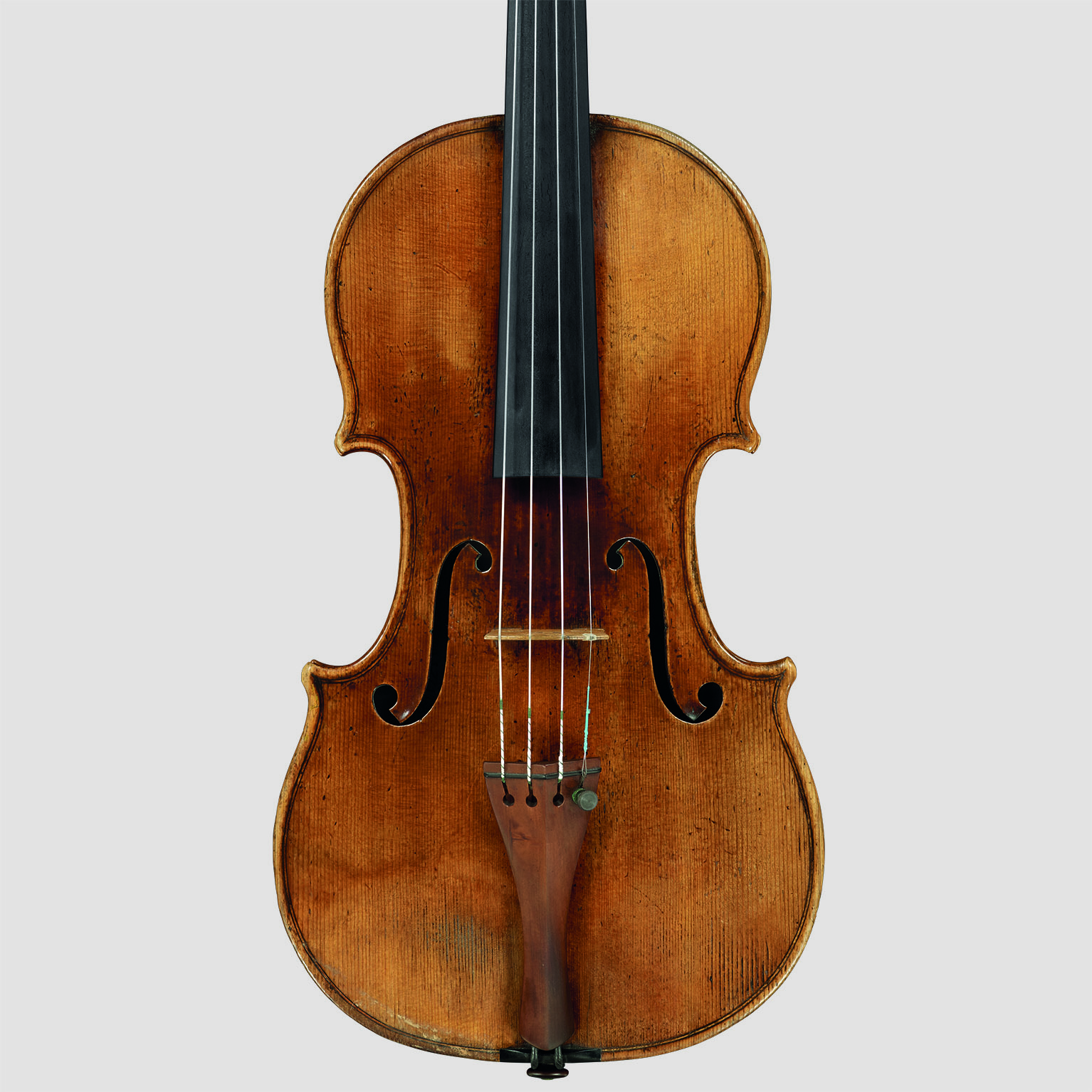
So he set out on a bold plan: use public money, through the tourism board, to buy a great Stradivari, bring it home and give it to the city as a symbol of its rebirth. The violin had a name before it was even bought: “Il Cremonese.” In 1961 the 1715 Stradivari, from the maker’s golden period, finally arrived.

1715 Cremonese violin by Antonio Stradivari

But one violin wasn’t enough to back up the city’s claim. Sacconi suggested two Amatis: one by Andrea, the man credited with inventing the violin, and one by his grandson Nicolò, who taught a whole generation of great makers.

The price was far more than the city could pay. So Puerari reached out to everyone he knew: writers, journalists, music lovers. He launched a public appeal, “a lira for the Amati,” asking every Cremonese, and anyone else who cared, to chip in.

The violin cost twelve million lire. The appeal raised four million. On paper that fell short, and in the end Puerari brought the State in once more, and Cremona bought both instruments. But the money was never really the point. In the newspapers and even in the council papers, the message was the same: this was about bringing the whole city along.

And people did come along. Workers wrote in saying they could only give a little, but hoped those with more would give more. The local paper reported on four young boys who had just started a modern music group. They wrote that they still felt tied to classical music and wanted to do their bit too. This was support from the ground up, and it meant Puerari’s idea of Cremona as the home of the violin became the city’s own.
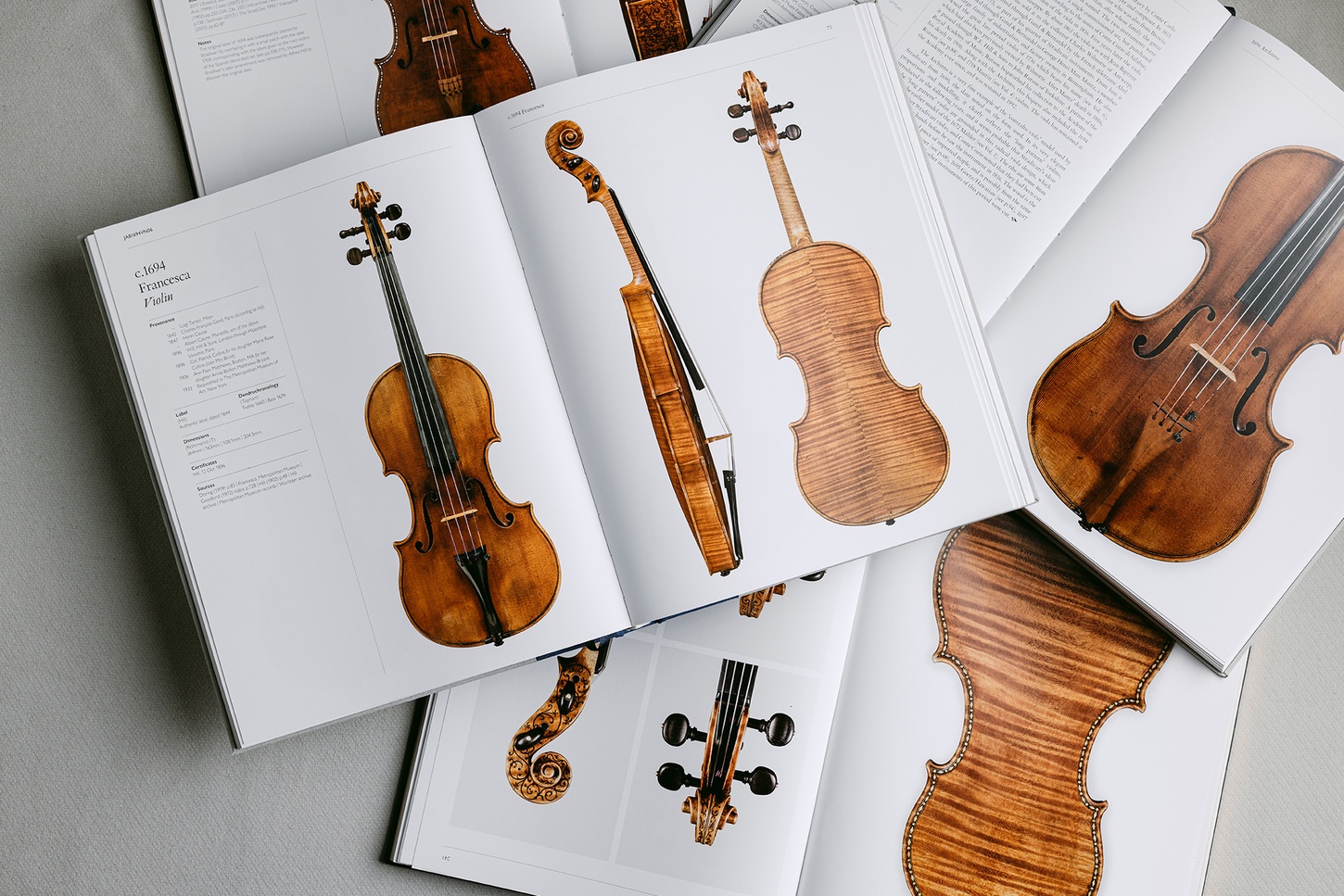
Open pages from Antonio Stradivari: The Complete Works

Delve into the book that inspired this article

Alfredo Puerari e il Cremonese 1715

How did the 1715 “Cremonese” Stradivari violin reach Cremona?

In this book, Matteo Morandi traces the story of Alfredo Puerari’s efforts, overcoming uncertainties, financial obstacles and municipal bureaucracies to bring a jewel of Cremona’s history back to the place it was made.

More Details

Explore the legacy of Cremona's greatest master

Antonio Stradivari: The Complete Works

This level of expertise is no accident: J & A Beare is uniquely able to combine in-house knowledge with privileged archival access, international connections and high-quality imagery.

An additional decade of research has come together in Antonio Stradivari: The Complete Works, our six-volume publication detailing all known Stradivari instruments in unprecedented detail.

More Details
  • About Us
    • About J & A Beare
    • Privacy Policy
    • Terms of Use
    • FAQ’s
    • Contact
  • Services
    • Buying
    • Selling
    • Valuations
    • Certificate of Authenticity
    • Repairs & Restorations
  • Find us on
    • Facebook
    • Instagram
    • Twitter
    • Linkedin
    • YouTube

London

30 Queen Anne Street

London

W1G 8HX

T: +44 (0)20 7307 9666

E: violins@beares.com

Europe

Im Mallen 6

27318 Hoyerhagen

Germany

T: +49 4251 983 5844

E: beares-europe@beares.com

Site By Propeller