Spotlight on two Stradivari Cellos
The 1698 "De Kermadec, Bläss" and the c.1698 "London, Boccherini"
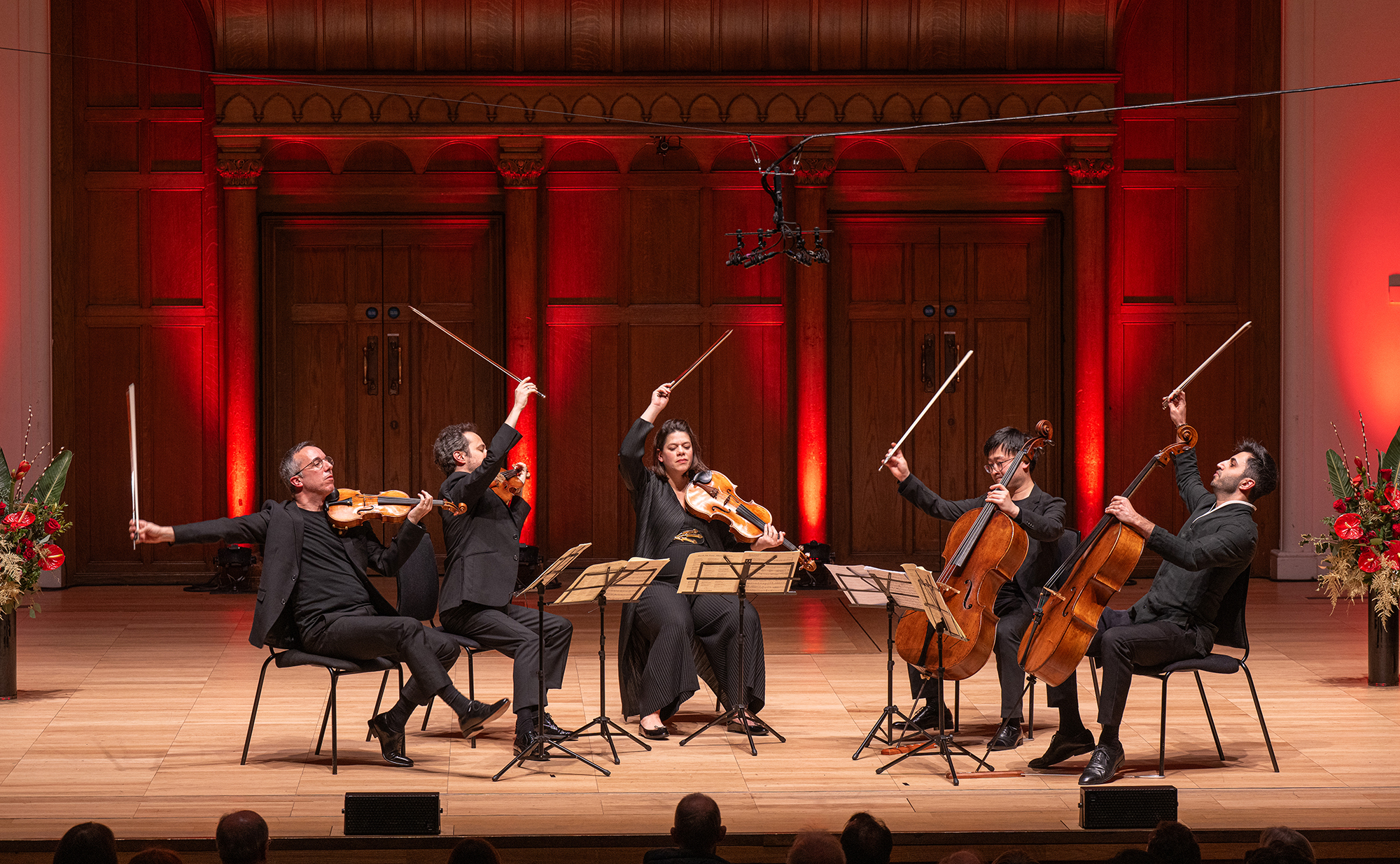
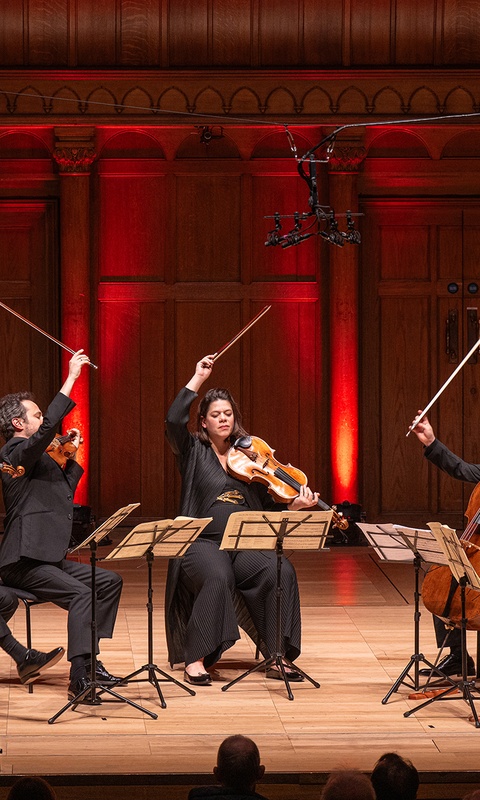
On 16 December 2025, for the first time in centuries, two twin Stradivari cellos, the 1698 “De Kermadec, Bläss” and the c.1698 “London, Boccherini”, were reunited on stage at the Beare’s Chamber Music Festival at a performance described as “a glimpse of heaven on earth” (The Guardian). Yuya Okamoto, of the Quatuor Ebène, played the “De Kermadec, Bläss”, on loan from the Habisreutinger Foundation. Kian Soltani played the “London, Boccherini”, on loan through the Beare’s Society.
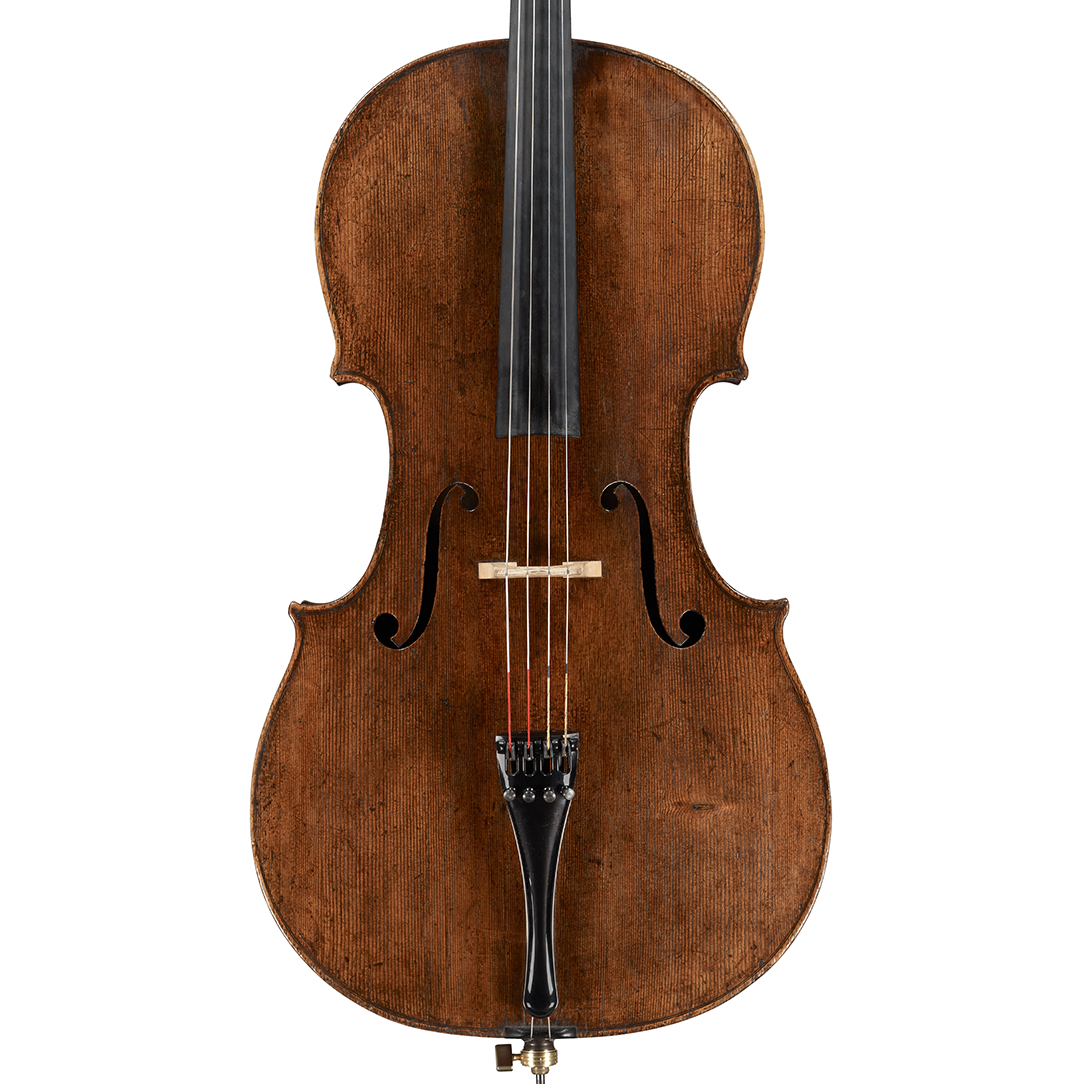
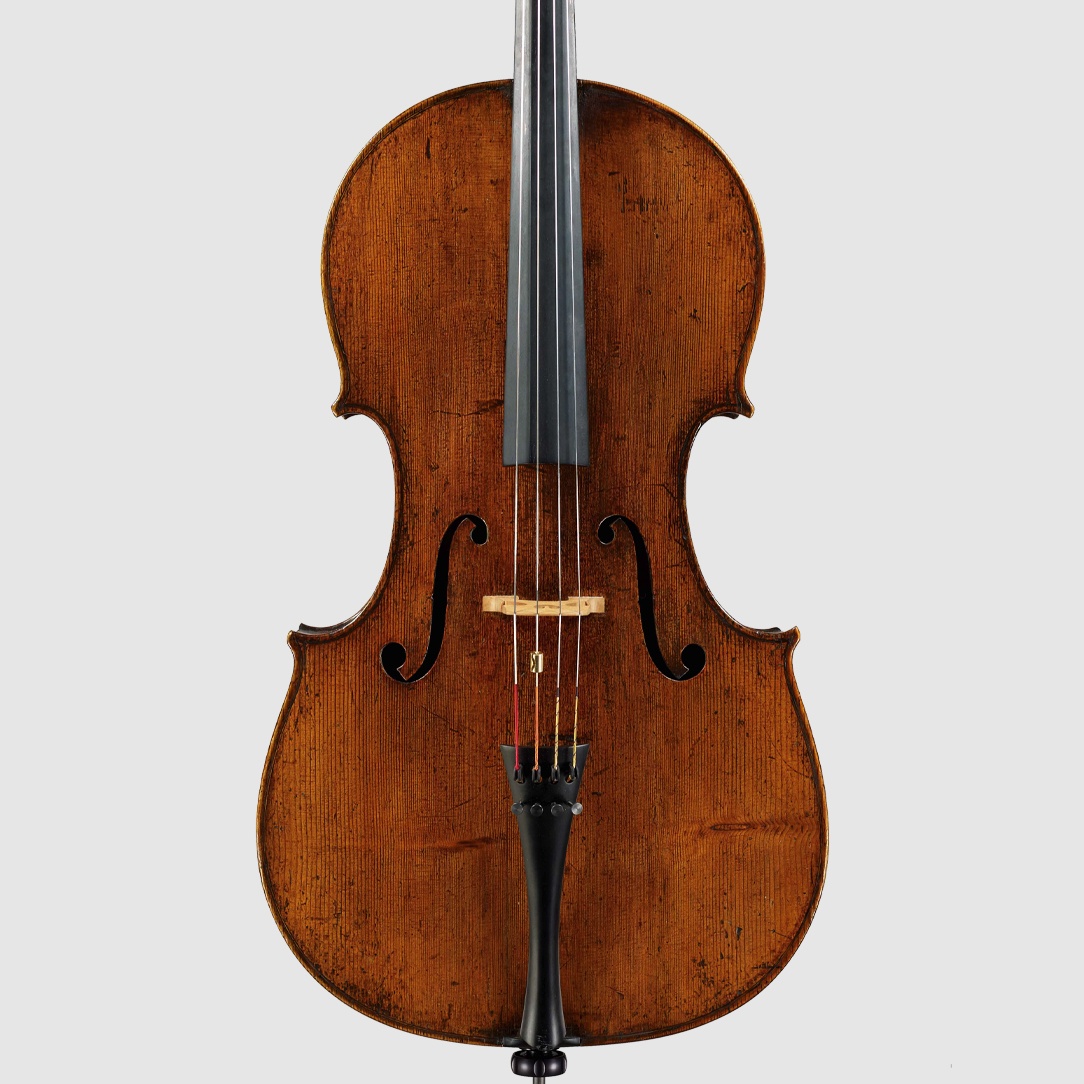
The two cellos share a distinctive characteristic: a wood knot on the lower right side of the table. This mark made it easier to identify the instrument in archives where only written descriptions survive. At the same time, it made identification between the two harder – a knot is a knot: how do you tell one from another?
Untangling the stories of these two cellos has been among the most demanding tasks in compiling Antonio Stradivari: The Complete Works. Following the breadcrumbs of provenance research can, more often than not, lead to considerable frustration. The further back you go, the more the paper trail thins, the names multiply into near-homonyms, and the certainties dissolve.
"De Kermadec, Bläss"
The provenance of the “De Kermadec, Bläss” seemed, at first glance, rather straightforward. The name Bläss was given to the instrument by its owner Rolf Habisreutinger: a Swiss dialect term for a breed of mountain dog, chosen because he considered the cello so loyal a companion that it deserved the nickname.
The reference to De Kermadec came from the 1963 Mostra di Antonio Stradivari catalogue, in which the instrument was exhibited at Isola Bella in Stresa, listing De Kermadec, Parceveaux, Francis Touche, Robert Templer, and Hélène Richardson as successive owners before 1958. De Kermadec and Parceveaux were prominent aristocratic families in Brittany, plausible custodians for a cello of this quality. Of the other named owners, Francis Touche can be identified as a French musician and conductor of some standing, though the record thins here too.
The Habisreutinger Foundation held no archives beyond the fact that Rolf Habisreutinger had purchased the cello from Arnold Sprenger, a well-known dealership in St Gallen, Switzerland. We contacted the firm, but found no papers to shed any further light. We resolved, therefore, to publish the only known provenance with a frank disclaimer, hopeful that one day a reader somewhere will recognise a name, or find a letter in an attic, and add another piece to the puzzle.
"London, Boccherini"
Kian’s cello, on the other hand, had been known simply as “The London” since the 1970s, when it first came to J & A Beare. Very little of its earlier provenance was known to us at the time. It was only after we acquired the W. E. Hill & Sons archives in 2017 that we were able to retrace its ownership back to the early nineteenth century.
The Hill records pointed to a passage in Sandy’s and Forster’s History of the Violin, published in 1864, which recorded that the late Mr Frederick Perkins had possessed a fine instrument of this maker with a pure tone of first-rate quality, and that it had formerly belonged to Boccherini, passing at that time to Mr Robert Garnett of Sutton Coldfield. Hill believed this was most likely the same instrument. Luigi Boccherini (1743–1805) was the Lucca-born cellist and composer who spent much of his life at the Spanish royal court, and who all but invented the string quintet with two cellos as a form.
Following that thread through the Hill notes and the meticulous diary entries of Albert Hill, we found evidence to suggest the following chain of quiet custodians. From Garnett, the cello passed to George Hart in London. By the 1880s, it had come to a Mr Bridson. Was this J.R. Bridson, the wealthy Lancashire industrialist who made his fortune as a master bleacher and finisher of calicoes, and spent it on amassing a large collection of string instruments? Or was it Augustus William Bridson, J.R.’s nephew, and father to Mary Bridson, an early twentieth-century English cellist and pedagogue based in St John’s Wood, who would go on to teach the young William Pleeth? It is hard to say with certainty.
The cello later passed through the hands of violin dealer Charles Fletcher before coming to a Mrs Mary Spranger of Southampton, described in the records as very rich and somewhat eccentric. Mrs Spranger was the daughter of a Reverend from Hursley near Winchester. In 1873, she had married a man named William Francis Gummer, who, in a highly unusual move for the nineteenth century, dropped his own surname entirely and took his wife’s, becoming William Francis Gummer Spranger.
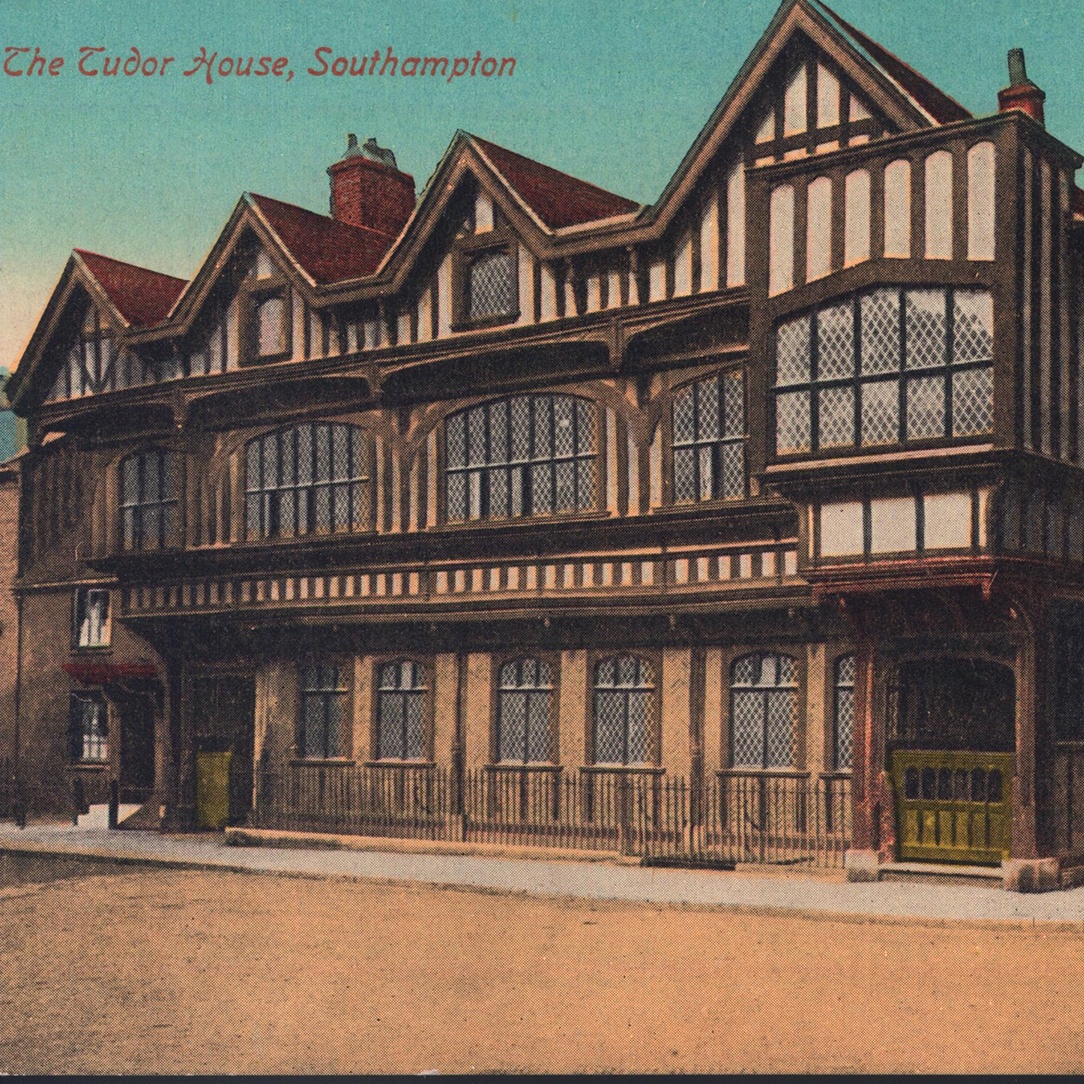
In the late 1880s, following the death of Mary’s father, the couple inherited a considerable family legacy. The sudden influx of wealth allowed them to establish themselves as major property owners and philanthropists in Southampton. W.F.G. Spranger is celebrated in Southampton today as the “saviour of Tudor House”: in the late 1890s, he used their wealth to purchase the city’s crumbling fifteenth-century Tudor House, rescuing it from slum demolition and funding its complete structural restoration. He eventually transferred it to the city at a massive personal financial loss, so that it could be opened to the public as Southampton’s first municipal museum in 1912.
The cello later passed into the hands of Mr Rogers and his daughter, then to an amateur cellist, Martin Powell, before entering two private collections through J & A Beare. While some elements of both provenances may forever remain in shadow, we are very happy that contemporary audiences can listen to these beautiful instruments, now in the hands of the most talented young players.
Step beyond the Strad cellos
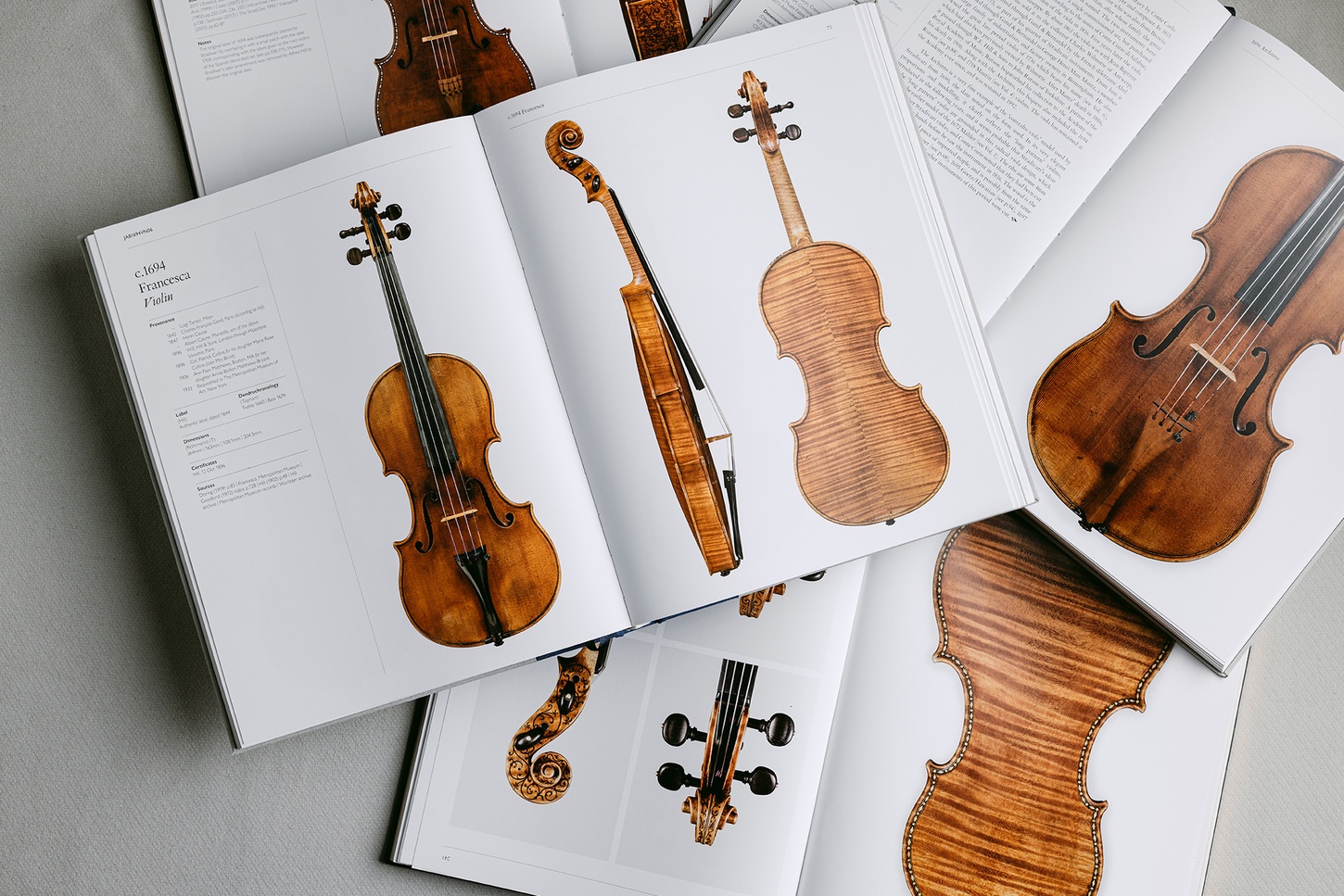
Antonio Stradivari: The Complete Works
This level of expertise is no accident: J & A Beare is uniquely able to combine in-house knowledge with privileged archival access, international connections and high-quality imagery.
An additional decade of research has come together in Antonio Stradivari: The Complete Works, our six-volume publication detailing all known Stradivari instruments in unprecedented detail.